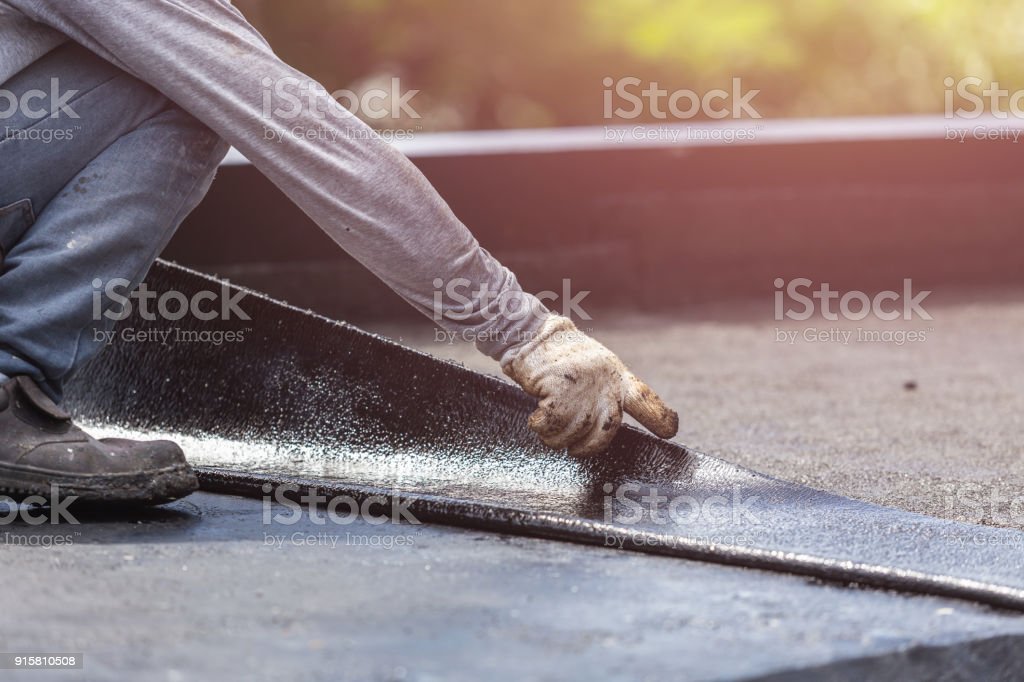
Commercial roofing is a different animal from residential work. The materials, installation methods, and maintenance requirements vary considerably, and choosing the wrong system for your building can mean costly repairs down the line. Here’s a straightforward overview of the commercial roofing systems MacGregor installs and what distinguishes them.
Flat vs. Low-Slope Roofing
Most commercial buildings use flat or low-slope roof designs, which require different waterproofing approaches than the steep-slope shingle systems common on homes. Flat roofs aren’t truly flat. They have a slight pitch to allow drainage, but they rely on membrane systems rather than overlapping shingles to keep water out.
EPDM (Ethylene Propylene Diene Monomer)
EPDM is a rubber membrane that has been a commercial roofing standard for decades and is now the leading commercial system installed in the United States. It’s extremely durable, handles temperature extremes well, and has a long track record in climates like Northeast Ohio’s. EPDM resists UV rays, harsh weather, and certain acids and solvents, making it a highly versatile membrane. It’s typically black, though white reflective sheets are also available. With over 500,000 warranted installations and more than 40 years in commercial roofing, EPDM’s performance record speaks for itself.
Modified Bitumen
Modified bitumen systems use asphalt reinforced with polymers, applied in layers to create a durable, redundant membrane. They’re well-suited for roofs with heavy foot traffic and are known for their puncture resistance. Modified bitumen can be torched, cold-applied, or self-adhered depending on the specific product, giving contractors flexibility to match the right application method to the building.
Which System Is Right for Your Building?
Both EPDM and modified bitumen are proven performers in Northeast Ohio’s climate. EPDM tends to be the go-to choice for straightforward low-slope applications where long-term durability and cost-effectiveness are the priorities. Modified bitumen is often preferred where added puncture resistance and layered redundancy matter, such as roofs with regular foot traffic for HVAC maintenance. A site assessment is the best way to determine the right fit for your specific building.
Maintenance Is Non-Negotiable
Unlike residential roofs, commercial roofs typically have HVAC equipment, penetrations, and drainage components that require regular inspection. Most commercial roofing failures begin at penetrations, seams, or drain areas that haven’t been maintained. Scheduling inspections twice a year, in spring and fall, catches small issues before they become expensive ones.
Working with a Qualified Contractor
Commercial roofing requires specific expertise in membrane systems, flashing details, and the unique demands of flat roof drainage. Not every roofing contractor works in the commercial space. MacGregor Roofing serves commercial clients throughout Northeast Ohio with hands-on experience in EPDM and modified bitumen systems. Contact us to discuss your building’s needs.